
If you have a website that is getting ignored, you do not need another vague promise about “brand awareness.” You need eyeballs now. That is why traffic exchange for websites still gets attention from side hustlers, affiliate beginners, and small online business owners who want a low-cost way to put an offer in front of real people fast.
The catch is simple. Not all traffic helps. Some of it gives you visibility but not sales. Some of it can help you test pages, improve click-through rates, and build early momentum. Some of it is just noise. If you use traffic exchanges with the right expectations, they can be a practical tool. If you expect instant buyers from low-intent views, you will be disappointed.
What traffic exchange for websites actually means
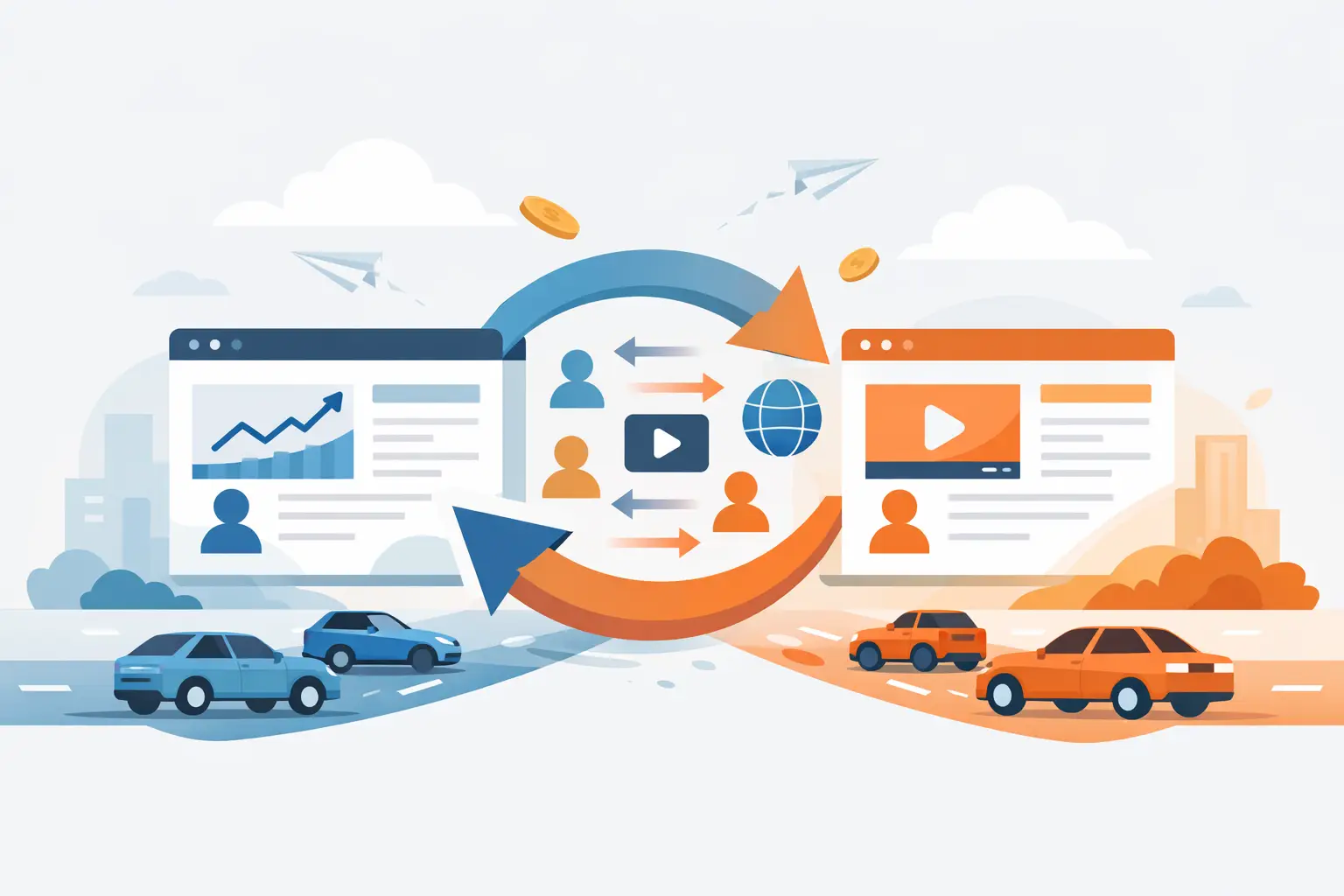
A traffic exchange is a system where users visit other members’ pages in exchange for getting their own pages shown. In plain English, you look at other people’s websites, ads, or landing pages, and the platform sends visitors to yours in return. Some systems are manual and require active surfing. Others include upgraded features like banner rotation, targeted placements, or faster credit earning.
That matters because a traffic exchange is not the same thing as search traffic, social traffic, or paid media traffic. People are usually visiting because they are part of the platform, not because they searched for your product. Their intent is different from someone who typed a problem into Google and found your page.
Still, intent is only part of the story. Visibility has value. If you are launching a new page, testing an offer, collecting sign-ups, or trying to get more exposure without spending a lot, a traffic exchange can fill a gap.
When traffic exchanges make sense
They work best when your goal is exposure first, precision second. That includes new websites with no traffic history, lead capture pages that need testing, affiliate offers that need clicks, and promotional pages that are easy to understand in a few seconds.
If your page depends on deep trust, long education, or high-ticket sales, exchange traffic will usually underperform. A local service quote page, a legal consultation page, or a premium coaching offer typically needs warmer traffic sources. The same goes for products that need strong buyer intent before a conversion happens.
Where exchanges can help is at the top of the funnel. You can get people to see your headline, react to your offer, and show you whether your page makes sense fast. If your bounce rate is extreme or your click-through is weak, that feedback is useful. Cheap traffic that reveals a broken message is still useful traffic.
The biggest benefit is speed
Most beginners do not have a big ad budget. They also do not want to wait six months for organic traffic to build. Traffic exchanges appeal to that gap because they are simple. Join, surf, earn credits, promote your page. That fast loop is attractive when you want movement right away.
There is also a motivation factor people rarely mention. Seeing actual visits, even modest ones, helps many users stay active long enough to improve their pages. A dead dashboard kills momentum. A platform that combines earning activity with promotion can keep users engaged because they are not just spending money. They are also participating and building reach at the same time.
That is one reason all-in-one systems can feel more practical than standalone traffic tools. If the same platform lets users earn from simple tasks while promoting offers internally, the advertising side becomes easier to sustain. Sumrria fits that model well because it speaks to people who want both earnings power and exposure in one place rather than juggling multiple websites.
The downside nobody should ignore
The quality of exchange traffic varies a lot. Some visitors are only watching a timer. Some barely process the page. Some are fellow marketers, not your target buyer. That means vanity metrics can rise while meaningful results stay flat.
This does not make the traffic fake. It makes it situational. A real person can still be the wrong prospect. If your page is built for broad appeal, fast understanding, and immediate action, you have a better shot. If your page needs emotional trust and careful consideration, exchange traffic is usually too cold.
There is another issue. Some users send exchange traffic to the wrong destination. They push visitors straight to a long homepage, a cluttered store, or a generic affiliate link with no context. That wastes the visit. Exchange traffic needs a focused page with one job.
How to use traffic exchange for websites without wasting clicks
Start with a landing page, not your full website. Keep the page narrow. One headline, one clear benefit, one call to action. If the visitor cannot understand what you offer in three seconds, you are losing the advantage of rapid exposure.
Use a hook that matches the audience inside the platform. A broad consumer message may not perform as well as an income, promotion, or online growth angle if the internal user base skews toward marketers and side hustlers. That is why context matters. The same page can win in one traffic source and flop in another.
Track behavior honestly. Do not stop at visit counts. Watch sign-ups, button clicks, time on page, and repeat action. If you are getting traffic but no engagement, the issue may be the page, the offer, or the traffic quality. You need enough data to tell which one.
Rotate creative often. Traffic exchange audiences can become blind to the same banner or splash page. A new headline, different color emphasis, shorter copy, or stronger call to action can change performance quickly. Small adjustments matter more when attention is limited.
What a good exchange setup looks like
A strong setup usually has three parts. First, a traffic source that gives you actual visibility inside an active user community. Second, an offer that is simple and relevant to that audience. Third, an upgrade path if the basic level starts producing signs of traction.
That last part matters because many platforms reserve better placement, more rotations, banner exposure, or priority views for upgraded users. Free access is fine for testing. But once a page starts converting, added exposure can make sense. You are no longer guessing. You are scaling something with evidence behind it.
Of course, there is a trade-off. Upgrading too early can turn a cheap test into an unnecessary cost. Staying free too long can limit your reach and slow down results. The best move depends on your page performance and your goal. If your numbers are weak, fix the page first. If the numbers are promising, stronger placement can be worth it.
Traffic exchanges are not a full marketing strategy
This is where people get off track. A traffic exchange can support growth, but it should not be your only source of promotion. You still want other channels over time, whether that is email, content, referrals, social outreach, or paid ads with stronger targeting.
Think of exchange traffic as a practical starter engine. It can create activity, help test messaging, and deliver exposure without a major barrier to entry. But it is not a substitute for building an offer people actively want.
That distinction is important for beginners. The tool is not magic. If the offer is weak, the headline is dull, or the page is confusing, more views will not rescue it. Traffic reveals performance. It does not create value where none exists.
So, is it worth it?
Yes, if you want affordable visibility, quick page testing, and a simple way to get your offer seen. No, if you expect traffic exchange visitors to behave like high-intent buyers from search or carefully targeted ads.
The smart approach is to use exchanges for what they do well. Get exposure. Test your message. Build momentum. Improve your page. Then keep what works and cut what does not. That is how low-cost traffic becomes useful instead of frustrating.
A website does not need millions of visitors to start moving forward. It needs the right message in front of enough people to prove whether the offer has real pull. Start there, measure honestly, and let the results tell you what deserves more attention.