
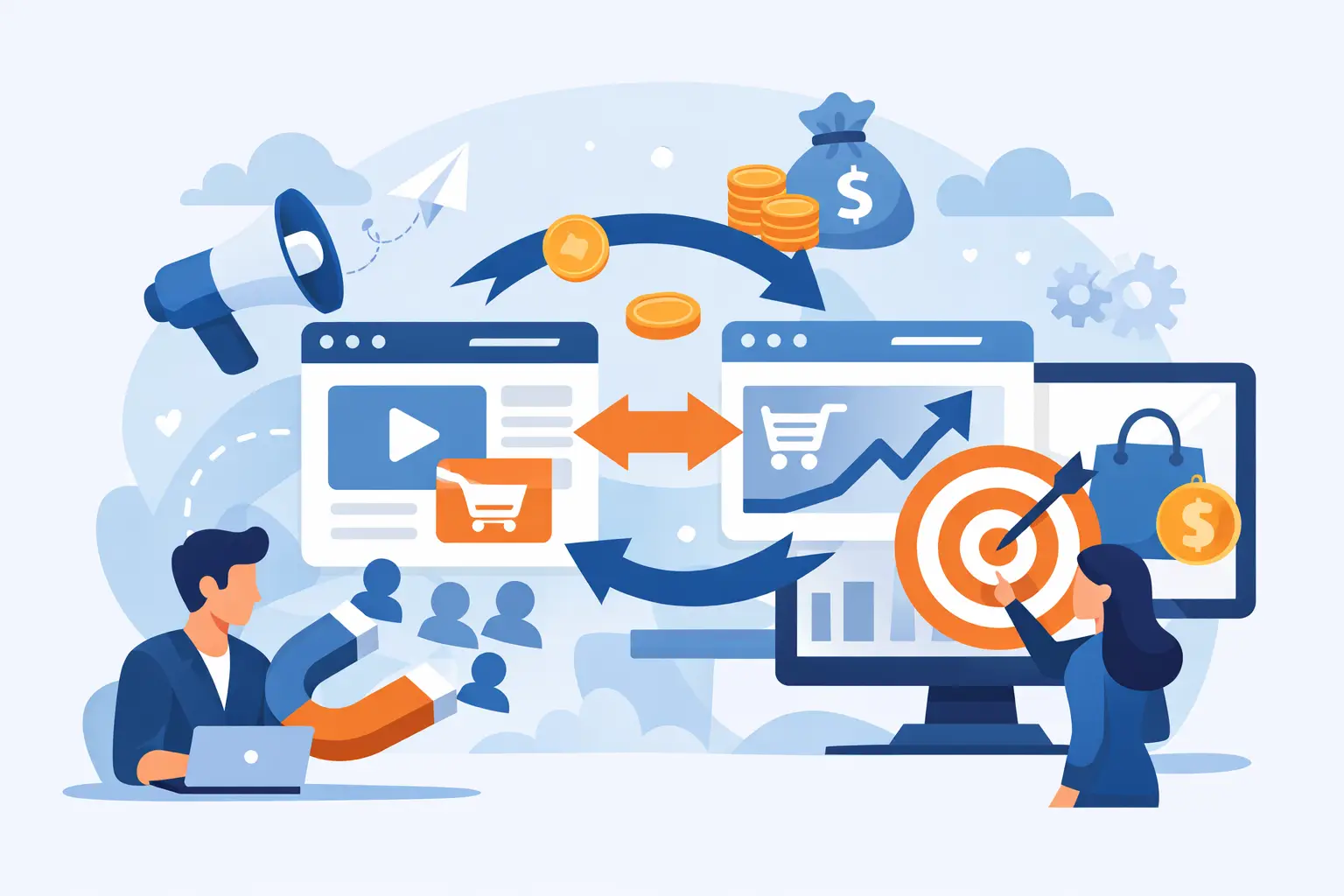
A traffic exchange can put your offer in front of active users fast. But can traffic exchanges generate sales, not just clicks? Yes – when the offer matches the audience, the landing page does its job, and you treat every visit as the start of a conversion path rather than a finish line.
That distinction matters. A visitor who earns credits by viewing pages will not respond like someone who searched Google for a product. They may be curious, skeptical, distracted, or simply looking for their next earning opportunity. Your campaign has to earn attention in seconds and give them a clear reason to take the next step.
Why Traffic Exchange Sales Are Possible
Traffic exchanges are often judged by the wrong metric. Marketers see a high visit count, then expect every visitor to buy immediately. When that does not happen, they call the traffic useless.
The better question is whether the traffic is being sent to an offer built for this type of audience. If you promote a complicated, high-ticket service with a long form, vague copy, and no obvious benefit, conversion rates will likely stay low. If you promote a simple, relevant opportunity with a clear action, you give yourself a real chance to turn exposure into leads, referrals, and sales.
Traffic exchange users are active online. Many are side hustlers, affiliate marketers, deal seekers, and people looking for ways to earn or promote. That makes certain offers a stronger fit than others. Free trials, useful digital tools, beginner-friendly programs, low-cost products, email opt-ins with a real benefit, and earning-related offers can perform far better than broad, generic promotions.
Sales may not happen on the first visit. That is normal. A traffic exchange can generate the first touchpoint, introduce your brand, build an email list, and create a pool of people who can later become customers. The value comes from having a plan beyond the click.
What Makes Traffic Exchange Visitors Convert
Start With a Relevant Offer
Match the offer to the reason people are on the platform. If your audience is interested in online earning, promotion, savings, or business growth, lead with an offer that helps them move toward one of those goals.
A clear headline beats clever wording. Tell visitors what they get, who it is for, and what they should do next. “Get started free,” “Earn recurring commissions,” or “Promote your offer to active members” is easier to understand than a page full of general claims.
The lower the commitment, the easier the first conversion. Asking for an email address, a free account signup, or a product demo is often more realistic than pushing for a large purchase immediately. Once someone has taken that first action, you can continue the conversation with follow-up emails and targeted promotions.
Make the Landing Page Fast and Focused
A traffic exchange visit is short. Your page needs to communicate its main benefit before the visitor decides to move on.
Keep the page focused on one goal. Do not send visitors to a crowded homepage with multiple menus, several unrelated products, and no obvious next move. Send them to a page designed around the exact ad they clicked.
Use a strong headline, a short explanation, proof or benefits, and one primary call to action. If your offer is free, say so. If there is a commission opportunity, explain it simply. If users can earn, save time, gain exposure, or solve a specific problem, make that outcome impossible to miss.
Mobile experience matters too. Many people browse on phones, and a page that loads slowly or forces users to pinch, scroll, and hunt for a button will lose potential conversions before the offer is even seen.
Give Them a Reason to Act Now
Urgency works when it is real. A limited bonus, a timed promotion, extra credits, a free starter resource, or access to a useful feature can move visitors from “maybe later” to “I will try this now.”
Do not rely on pressure alone. The best incentive supports the core value of the offer. If you are promoting an earning platform, a signup bonus or a simple way to start earning makes sense. If you are promoting a product, a useful discount or extra resource can remove hesitation.
The Best Sales Strategy Is Not Always a Direct Sale
For many advertisers, the smartest traffic exchange campaign is a two-step funnel. Step one collects a lead or free registration. Step two turns that lead into a sale through follow-up.
This approach gives you more control. Instead of hoping every visitor buys during a brief session, you create future opportunities to explain the offer, share results, answer objections, and present the right upgrade or product at the right time.
A simple funnel can look like this:
- A short ad promotes one specific benefit.
- A landing page offers a free signup, guide, trial, or bonus.
- An email sequence welcomes the new lead and delivers value.
- Follow-up messages introduce the paid product, membership, or upgrade.
- Retargeting or repeat promotion brings interested visitors back.
The goal is not to make the funnel complicated. The goal is to stop wasting attention. Every click should have a next step, and every new lead should receive a reason to stay engaged.
How to Measure Whether Your Campaign Is Working
Do not judge your campaign by traffic volume alone. A thousand visitors can look impressive while producing no business result. Track the numbers that show whether your offer is moving people forward.
Start with click-through rate. If people are not clicking your ad, test a stronger headline, a more direct benefit, or a clearer visual. Then measure landing page conversion rate. If visitors click but do not sign up, the issue may be the page, the offer, or a mismatch between your ad promise and the page content.
If you are building a list, track lead cost and email engagement. If you are selling, track sales, average order value, and earnings per visitor. For affiliate offers, track registrations, qualifying actions, and recurring commissions rather than only initial clicks.
Use tracking links or campaign identifiers so you know exactly which ad, page, or traffic source creates results. Test one meaningful change at a time. Changing the headline, image, offer, and landing page all at once makes it hard to learn what actually improved performance.
When Traffic Exchanges Are a Poor Fit
Traffic exchanges are not a magic sales button. They may be a poor choice for offers that need deep trust before a purchase, have highly specialized audiences, or require expensive upfront commitments. A local service that only operates in one city, for example, may need more precise geographic targeting.
They can also disappoint advertisers who expect passive results from a weak campaign. Exposure is valuable, but exposure alone does not fix an unclear offer or a confusing checkout process.
The answer depends on your product, price point, funnel, and follow-up. Low-cost, easy-to-understand, online-friendly offers often have the best chance. Higher-ticket offers can still work, but usually through lead generation and nurturing rather than a single direct visit.
Use Exchange Traffic to Build Momentum
Think of traffic exchanges as an affordable testing and visibility channel. They can help you test headlines, compare landing pages, grow an email list, collect early conversions, and introduce your offer to an active community. When you find a message that gets clicks and a page that gets signups, you have valuable proof you can use across other marketing channels too.
Platforms such as Sumrria make this model especially practical for users who want to earn and promote in the same place. You can focus on putting a clear offer in front of people already interested in online opportunities, then build toward stronger results with better pages and consistent follow-up.
Do not wait for a perfect campaign before you start. Launch one focused offer, track what happens, improve the weakest step, and keep building. The sale may begin with a click, but the real growth comes from what you do next.