
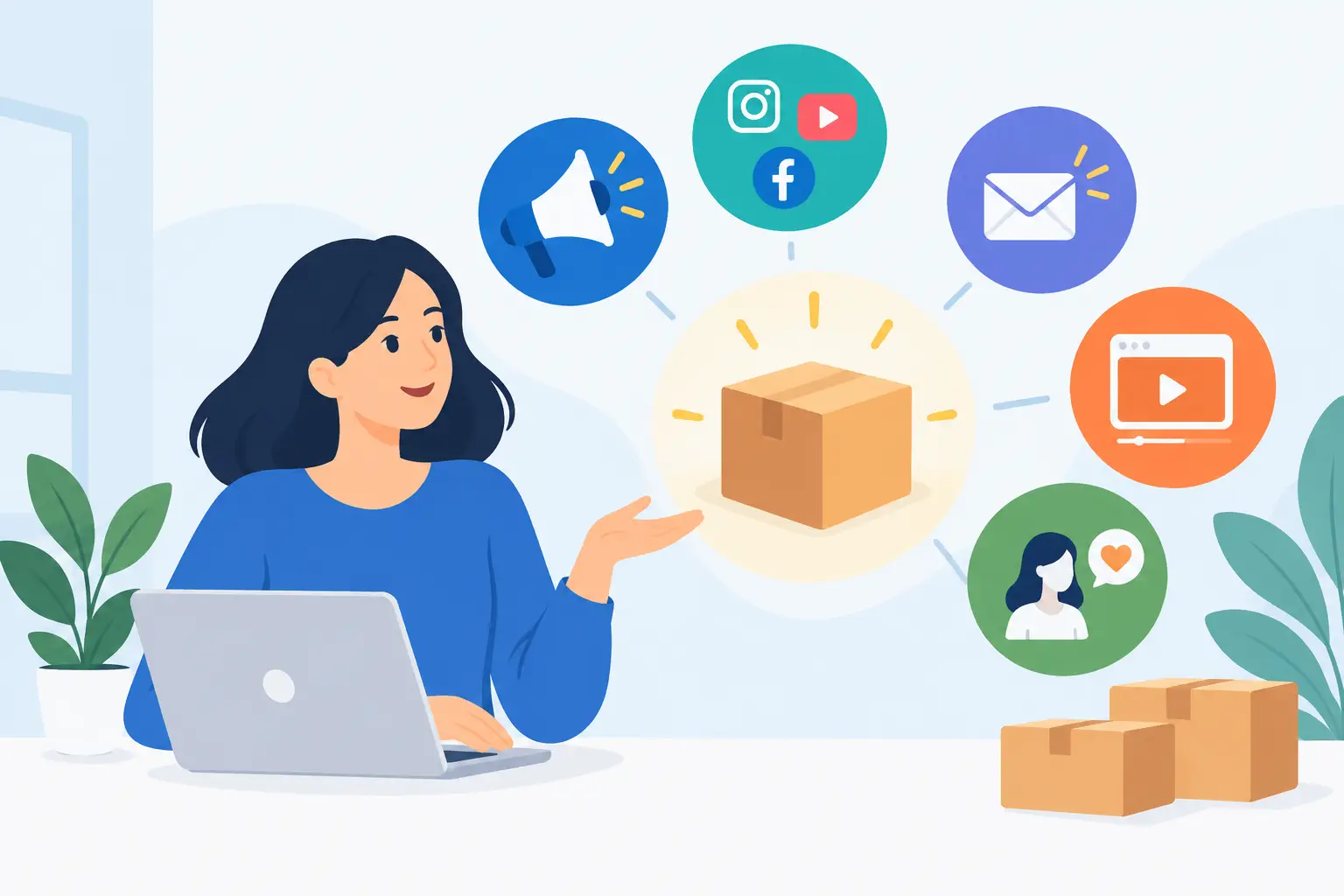
A product can be great and still go nowhere if the right people never see it. The best beginner product promotion methods are not about spending big or becoming a marketing expert overnight. They are about putting one clear offer in front of real people, tracking what gets attention, and repeating what creates clicks, leads, or sales.
If you are promoting an affiliate offer, a digital download, a local service, or your own online product, start small enough to learn fast. Your first goal is not to be everywhere. Your goal is to create a simple promotion routine that gives people a reason to notice, trust, and act.
1. Start With One Clear Offer
Beginners often slow themselves down by trying to promote five products on five platforms at the same time. That creates scattered messaging and makes it hard to tell what is working. Pick one product or offer with a clear benefit and focus on it for at least a few weeks.
Ask three simple questions before you promote it: Who is this for? What problem does it solve? What happens after someone clicks? If you cannot answer those questions in one or two sentences, your audience will not understand the offer either.
A clear message beats a clever message. Instead of saying, “This is an amazing business tool,” say, “This tool helps new online sellers create product pages faster.” Specific benefits give people a reason to pay attention.
2. Use Short-Form Social Content to Create Interest
Short posts, reels, stories, and simple videos can be one of the fastest ways to get early product exposure. You do not need a studio, expensive camera, or polished commercial. You need useful content that makes a potential buyer stop scrolling.
Create content around the problem before you push the product. A beginner promoting a budgeting app, for example, could share a quick tip about tracking weekly spending, then explain how the app makes the process easier. A person promoting a fitness product could show a common beginner mistake and offer a practical correction.
Keep each post focused on one idea. Use a strong first line, show the benefit quickly, and give one direct next step. That could be “Check the details,” “Try the free version,” or “See if it fits your goals.” Do not force every post into a hard sell. Helpful content builds more long-term response than nonstop promotion.
Make Content Easier to Repeat
Choose two content formats you can create consistently. For example, use quick tips and product demonstrations, or use before-and-after examples and customer questions. Repeating a format saves time and helps people recognize your content.
Consistency matters more than posting constantly for one week and disappearing for a month. Three useful posts each week can outperform a burst of random content because it gives your audience more chances to see and remember the offer.
3. Build an Email List Before You Need One
Social platforms can create quick attention, but an email list gives you a direct way to follow up with interested people. That makes email one of the best beginner product promotion methods for anyone who wants to build a real promotional asset over time.
Give people a practical reason to join. A checklist, mini guide, discount, template, free lesson, or product comparison can work well when it relates closely to what you promote. The free item should attract people who are likely to care about the paid offer, not just anyone looking for a giveaway.
After someone joins, do not send a wall of sales messages. Start by helping them understand the problem, sharing a useful tip, and showing how the product fits into a solution. Then make the offer clearly. A short email with one benefit and one call to action often works better than a long, complicated pitch.
Email takes patience. Your first 20 subscribers may not feel exciting, but they are more valuable than 2,000 random followers who never see your updates. Build the list steadily and treat every subscriber like a real person, not a number.
4. Put Products in Front of Active, Relevant Audiences
Promotion works best when your offer appears where people already want to discover solutions. This can include niche communities, audience-based advertising tools, newsletters, forums, online groups, or promotional platforms with active members.
Relevance matters more than raw traffic. A thousand visitors who are not interested in your product can produce nothing. A smaller group of people already looking for side income tools, productivity resources, beauty products, or fitness support may convert far better.
When you use paid traffic or internal advertising, begin with a modest test. Run one version of the offer, measure the clicks and response, then adjust the headline, image, audience, or landing page. Do not keep spending just because an ad is getting views. Views are only the start. You want actions that move your business forward.
Platforms such as Sumrria can make this process more accessible by putting earning opportunities and product promotion tools inside one member-focused environment. For a beginner, that can mean less time juggling separate systems and more time testing which offers earn attention.
Match the Message to the Audience
The same product needs different wording for different audiences. A time-saving tool may appeal to busy parents because it reduces daily stress. The same tool may appeal to freelancers because it helps them work faster. The offer has not changed, but the reason to care has.
Before you write an ad or promotional post, identify the strongest benefit for that specific audience. Lead with that benefit instead of listing every feature.
5. Use Product Reviews and Demonstrations
People trust what they can see. A simple review, walkthrough, unboxing, screen recording, or live demonstration helps prospects understand what they are considering. This is especially useful for software, digital products, subscriptions, beauty products, household items, and tools with multiple features.
Be honest about who the product is for and where it may not be the best fit. That does not weaken your promotion. It builds credibility. For example, you might say a tool is ideal for beginners who want simple features but may not suit a large business that needs advanced reporting.
Show the product solving a real problem. Do not just say, “It is easy to use.” Show the first step, the result, and why that result matters. When people can picture themselves using a product, they are more likely to click through and learn more.
6. Ask for Referrals and Social Proof
A happy customer, user, or follower can become one of your strongest promotion channels. Social proof includes testimonials, comments, user photos, results, reviews, and referrals from people who have had a positive experience.
Do not wait passively for it. Ask customers to share feedback after they have had enough time to use the product. Keep the request simple: ask what they liked, what problem it helped solve, or whether they would recommend it to someone else.
If the product has a referral or affiliate option, explain it clearly. People are more likely to share when they understand the benefit for themselves and for the person they refer. Just avoid exaggerated income claims or pressure tactics. Strong referrals come from real value, not hype.
7. Track One Metric That Matters
Promotion gets easier when you stop guessing. Choose one main metric based on your goal. If you want visibility, track clicks. If you want leads, track sign-ups. If you want sales, track purchases and the cost of getting each one.
Do not change everything at once. Test one element, such as the headline or image, while keeping the rest of the promotion the same. This helps you learn what caused the improvement or drop in response.
A campaign that does not convert is not always a failure. It may reveal that the audience is wrong, the offer needs a clearer benefit, or the landing page creates confusion. Those lessons are exactly how beginners become confident promoters.
Start with the method you can sustain this week, not the one that sounds most impressive. One clear offer, one active audience, and one daily action can create the momentum that turns product promotion from a guess into a repeatable growth habit.