
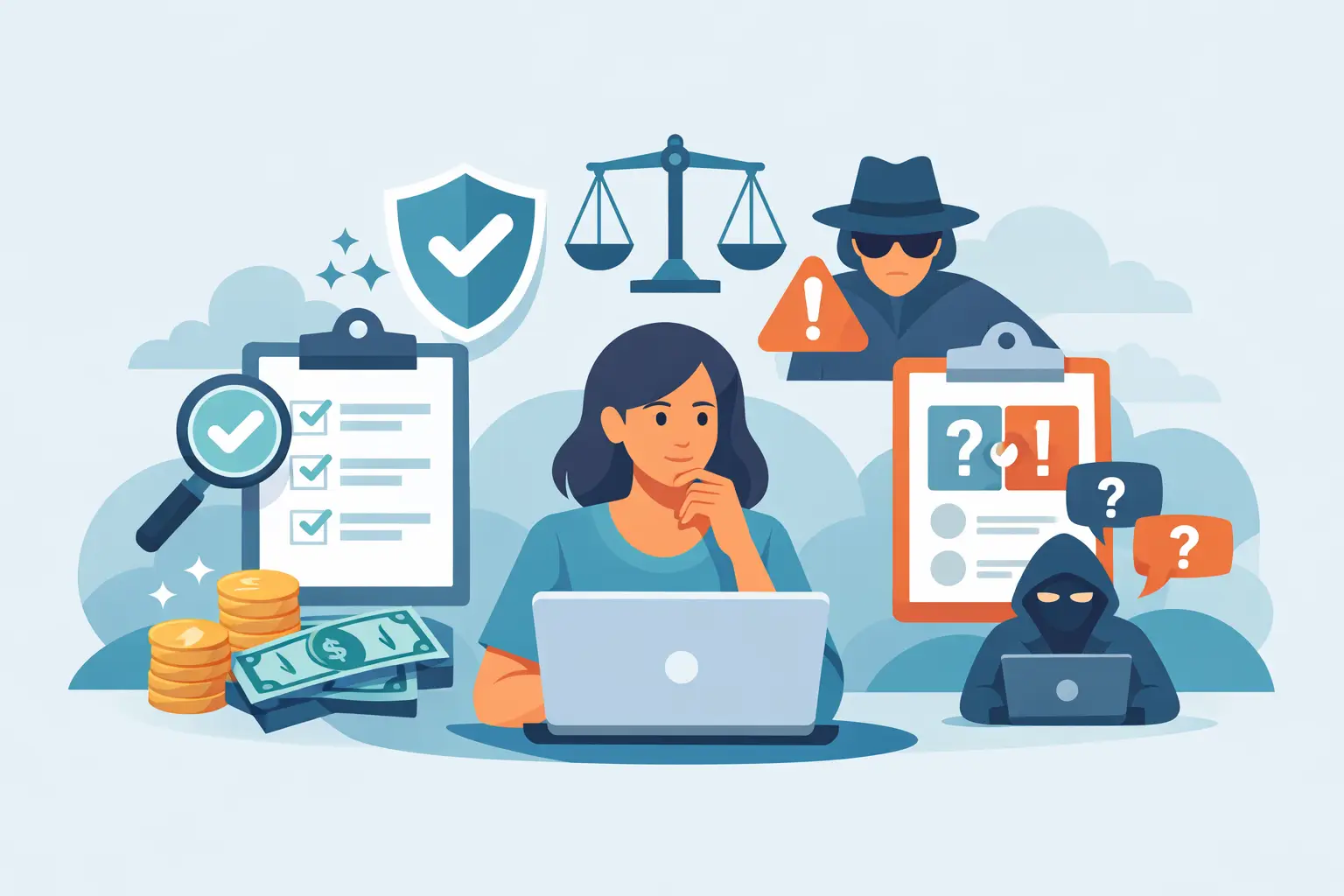
You have probably seen the promise before – answer a few questions, share your opinion, and get paid. That naturally leads to the big question: are paid survey platforms legit, or are they just another online money trap dressed up as easy cash? The honest answer is simple. Some are absolutely legitimate. Some are a waste of time. And some are built to collect your data, flood you with offers, and never pay enough to matter.
If you want real online income, the goal is not just finding any survey platform. It is finding platforms that actually pay, set realistic expectations, and fit into a bigger earning strategy.
Are Paid Survey Platforms Legit? The Short Answer
Yes, paid survey platforms can be legitimate. Brands, research firms, and app developers all need consumer feedback. They pay survey companies to gather that data, and a portion of that budget gets passed on to users.
That part is real. The catch is that legitimacy and profitability are not the same thing.
A legit survey platform might pay you exactly what it promised, but that does not mean the earnings are impressive. Many users expect survey sites to replace a paycheck. That is usually where disappointment starts. Surveys are better viewed as a low-barrier side earning option, not a full-time income model.
For beginners, that can still be useful. If a platform is easy to join, free to start, and clear about payouts, surveys can become one small stream inside a broader online earning plan.
Why Paid Survey Platforms Exist
There is nothing mysterious about the business model. Companies want fast feedback before launching products, changing pricing, testing ad campaigns, or improving apps. Instead of building their own research panels from scratch, they pay survey platforms to collect opinions from targeted users.
That means age, location, shopping habits, income range, and interests all affect what surveys you qualify for. It also explains why disqualifications happen so often. The platform is not always rejecting you randomly. Sometimes you simply do not match the audience the advertiser wants.
This is where many users get frustrated. A platform may be legit, but if it constantly screens you out after several minutes, your effective hourly rate drops hard. That makes user experience just as important as payout claims.
The Difference Between Legit Platforms and Bad Ones
A real survey platform usually has a few clear traits. It tells you how you get paid, what the minimum cash-out is, how long payments take, and what kind of account activity is required. It also does not ask you to pay upfront just to access standard surveys.
Bad platforms often rely on hype. They promise huge daily earnings for minimal work, bury payout details, or overload you with third-party offers that have little to do with surveys. In worse cases, they collect personal information aggressively while keeping payment terms vague.
A legit platform says, in effect, here is the task, here is the estimated reward, and here is when you can withdraw. A sketchy one says, keep clicking and maybe something good happens later.
That difference matters.
Red Flags to Watch Before You Sign Up
If a survey platform claims you can make hundreds of dollars a day with almost no effort, move on. Real survey earnings are usually modest. Honest platforms do not need fantasy numbers to attract users.
You should also be careful with sites that require payment before you can earn. Premium memberships can exist in broader earning ecosystems, but basic survey access should not feel like a locked door that only opens after a fee. The same caution applies if the platform hides its payment methods or makes it hard to find terms.
Another warning sign is endless redirects. If every click sends you into pop-ups, offer walls, and unrelated promotions, the platform may be monetizing your attention more than your participation.
Finally, read the withdrawal rules closely. Some sites look attractive until you realize the cash-out threshold is high, points expire quickly, or account inactivity wipes out your balance.
What Real Earnings Usually Look Like
This is where expectations need to stay grounded. Most paid survey platforms are not designed to create life-changing income. They are designed to give users small rewards for low-skill participation.
That can still be worth it if you treat surveys as part of a wider system. A few dollars here, a few app tests there, occasional microtasks, maybe some referral commissions on top – that adds up better than relying on surveys alone.
Users who do best with this model usually understand three things. First, consistency beats chasing miracle payouts. Second, time matters more than headline reward numbers. Third, diversified earning wins.
That is why many experienced online earners stop asking only whether a site pays. They start asking whether the platform creates multiple ways to earn from the same account.
How to Judge If a Survey Platform Is Worth Your Time
Start with the payout structure. Cash, direct transfer options, or widely used gift cards are usually more useful than obscure point systems. Then check the minimum withdrawal amount. A platform that pays small amounts but lets you cash out quickly may be more practical than one that forces you to wait weeks to reach a high threshold.
Next, look at survey availability. A legit platform with poor survey volume may still be real, but it will not help much if there are only a few tasks per week. Volume, consistency, and matching quality all matter.
The platform experience matters too. If your dashboard is clear, tasks are easy to access, and requirements are explained upfront, you waste less time. That directly affects your earning power.
For side hustlers and beginner marketers, the best platforms often go beyond surveys. When one account gives you access to surveys, simple tasks, app testing, traffic tools, or referral earnings, you are no longer depending on one narrow payout stream.
Are Paid Survey Platforms Legit for Beginners?
Yes, especially for beginners who want a simple entry point into earning online. Surveys require no advanced skills, no product creation, and no big startup budget. You can join, complete tasks, and start learning how online reward systems work.
But beginners should avoid one common mistake – assuming easy entry means easy money. Surveys are accessible because the barrier is low, not because the payouts are huge.
A smarter approach is to use surveys to build momentum. Earn a little. Learn which platforms communicate clearly. Track your time. Then move toward platforms that combine surveys with other earning tools so you can expand your results without constantly opening new accounts everywhere.
That is one reason all-in-one systems appeal to growth-focused users. If you can earn from surveys, microtasks, promotion, and recurring commissions inside one environment, you spend less time jumping between disconnected platforms and more time building something sustainable.
The Best Mindset for Earning With Surveys
Think practical, not emotional. If you go in hoping every survey will be smooth, high-paying, and instantly available, you will burn out fast. If you go in knowing some surveys disqualify users, payout rates vary, and consistency beats hype, you will make better decisions.
Treat each platform like a business tool. Ask what it pays, how it pays, how often opportunities appear, and whether it gives you more than one way to benefit from your time online.
That is the real filter. Not just, is it legit? But is it useful?
A legit platform that pays pennies slowly may technically be real and still not deserve your attention. A stronger platform helps you earn, stay active, and potentially grow into bigger opportunities over time. For many users, that means looking for ecosystems that blend survey income with extra earning paths and visibility tools, which is why platforms like Sumrria stand out to people who want both earnings and promotion in one place.
So, Are Paid Survey Platforms Legit or Not?
They can be. The real ones exist, and they serve a valid market need. But the smart move is not trusting the category blindly. It is learning how to separate real opportunities from low-value distractions.
If a platform is transparent, free to start, clear about payouts, and realistic about earnings, it may be worth testing. If it sells a fantasy, hides the rules, or turns every click into a maze of offers, your time is probably better spent elsewhere.
Online income gets stronger when you stop chasing magic websites and start choosing practical systems that let you earn in more than one way. That is where small actions start turning into real momentum.