
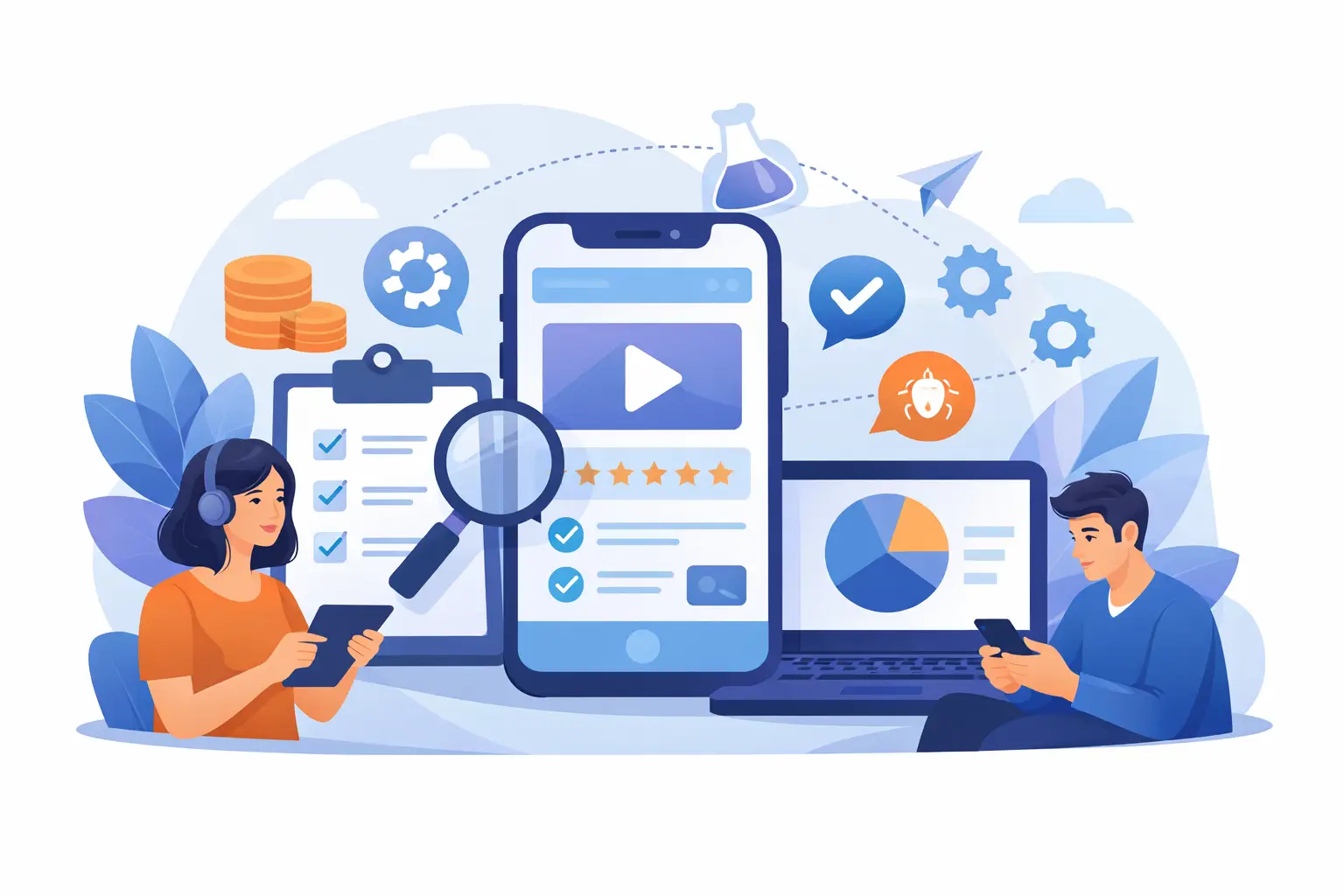
You download an app, spend 10 to 20 minutes using it, answer a few questions, and get paid. That simple pitch is what pulls so many people in – but how paid app testing works is a little more structured than most beginners expect. If you want a real side-income stream instead of random low-paying gigs, it helps to understand what companies are buying, what testers are expected to do, and where the money actually comes from.
What paid app testing really is
Paid app testing is when a company pays users to try an app before or after launch and report what the experience is like. Sometimes the goal is bug detection. Sometimes it is usability feedback. In other cases, the company wants to know whether normal users can complete basic actions without confusion.
That distinction matters because you are usually not being paid just to install an app. You are being paid to produce useful feedback. The app developer wants to know if the signup flow makes sense, whether buttons work, if pages load properly, and where users get stuck or lose interest.
For side hustlers, this is good news. You do not need to be a programmer to qualify for many testing jobs. A lot of companies want ordinary users because ordinary users reveal the real friction. If a first-time user cannot figure something out, that is valuable information.
How paid app testing works step by step
Most paid app testing jobs follow a pretty standard flow. The details vary by platform, but the process is usually similar.
First, you create a tester profile. This may include your age range, device type, operating system, location, and interests. Companies use that information to match the right testers to the right apps. A finance app may want adults in a certain income bracket. A gaming app may want active mobile players. A shopping app may want people who regularly buy online.
Next, you receive a testing opportunity if you match the target profile. Some platforms send invitations by email. Others show available tests in a dashboard. Not every user gets every test, and that is one of the biggest misunderstandings beginners have. Access depends on fit, timing, and how many testers are needed.
Once accepted, you are given instructions. These may be simple, like creating an account and browsing features, or more specific, like completing a purchase path, using a search filter, or trying to recover a password. Some tests are open-ended. Others are tightly scripted.
Then comes the actual testing. You may be asked to record your screen, speak your thoughts out loud, take screenshots, or answer written questions afterward. This is where the work happens. Companies are paying for reactions, observations, and problem spotting. If you only click around quickly and submit one-word answers, you are less likely to be invited back.
After submission, your test is reviewed. If it meets the requirements, payment is approved. If you skipped steps, gave unusable feedback, or submitted too late, the test may be rejected.
What companies expect from testers
The best paid testers are not the most technical people. They are the clearest communicators.
A good tester explains what happened, what they expected to happen, and what made the experience easy or frustrating. For example, saying, “The button is broken” is less useful than saying, “I tapped the Continue button three times on an iPhone 13, but nothing happened until I restarted the app.” Specific feedback saves developers time.
Companies also want honest reactions. If something feels confusing, say that. If an app works well, say that too. Balanced feedback is more valuable than trying to sound overly positive or overly critical.
Speed helps, but reliability matters more. Many testing platforms reward users who complete tasks on time and follow instructions carefully. That often leads to more invitations and better-paying opportunities over time.
How much paid app testing can pay
This is where expectations need to stay realistic. Paid app testing can absolutely create extra income, but it is not usually a full-time replacement on its own.
Short tests may pay a few dollars. More detailed tests, especially recorded usability sessions or live interviews, can pay much more. A basic 10 to 15 minute test might land in the $5 to $20 range, while more involved sessions can go higher. It depends on the complexity, the target audience, and the amount of feedback required.
The higher payouts usually come with stricter requirements. You may need a specific device, a clear speaking voice, prior testing history, or a matching demographic profile. That is the trade-off. Easier tasks are more accessible, but they also tend to pay less.
If your goal is consistent earnings, app testing works best as one stream in a broader online earning strategy. That is why many people combine it with surveys, ad-viewing tasks, referral income, and simple promotional activity rather than relying on one source alone.
Why some testers get more opportunities than others
If two people sign up on the same day, one may receive frequent test invitations while the other sees almost nothing. That usually comes down to profile fit and tester quality.
Certain devices and demographics are in higher demand. Newer iPhones, current Android models, and users in major US markets are often more attractive to app developers. Parents, online shoppers, business owners, and active subscribers in specific categories may also get more invites when those segments are needed.
Quality scores matter too. Platforms often track completion rates, responsiveness, and feedback usefulness. If you consistently submit thoughtful work, your chances of being chosen again improve. If you miss deadlines or rush submissions, opportunities can slow down fast.
There is also a timing factor. Many tests fill quickly. If you wait too long to accept an invite, the available slots may already be gone.
Common types of app tests
Not every app testing job looks the same, and that is where beginners can gain an edge by staying flexible.
Usability tests focus on how easy the app is to use. Bug tests focus more on technical issues. Beta tests happen before a wider release and may involve trying unfinished features. Functional tests check whether actions work as intended, like login, payment, search, or notifications.
There are also live moderated tests where a researcher watches you use the app in real time and asks follow-up questions. These often pay more because they require scheduling and active participation.
For most beginners, unmoderated usability tests are the easiest starting point. They are simpler, faster, and usually do not require advanced experience.
Red flags to watch for
Paid app testing is legitimate, but not every offer is worth your time. If a platform asks you to pay upfront just to access basic testing jobs, be cautious. If earnings claims sound extreme, they probably are. And if there is no clear explanation of how testing works, how approvals happen, or when payouts are made, that is a problem.
Another red flag is vague task language. Real tests usually explain the objective, the expected actions, and the submission requirements. Scams tend to stay fuzzy because the goal is to collect data, push fake fees, or waste your time.
A smarter approach is to focus on platforms that make earning simple, transparent, and repeatable. That is one reason many users prefer ecosystems that offer multiple ways to earn in one place. If app testing is slow one day, you still have other task types available instead of sitting idle.
How to earn more from app testing
If you want better results, treat app testing like a small performance-based business, not a random tap-and-go task. Keep your tester profile updated. Use a good microphone if voice feedback is required. Follow every instruction exactly. Submit on time.
It also helps to improve how you communicate. Clear, direct feedback gets noticed. Instead of saying an app is confusing, explain where the confusion started and what you expected to happen next. That level of detail can move you from occasional tester to preferred tester.
And think bigger than one task category. A platform like Sumrria appeals to users who want more than a single earnings lane. You can stack simple online activities, promote your own offers, and build recurring income streams instead of waiting on one app test invite at a time.
How paid app testing works for long-term side income
The real value of app testing is not that every task pays big. It is that the barrier to entry is low, the work is simple to understand, and the skills transfer well to other online earning models. You learn to follow instructions, give useful feedback, and work efficiently online – all of which can support bigger earning opportunities later.
For beginners, that makes app testing a smart starting point. It gives you a way to earn from your device while learning how digital platforms operate. For more growth-focused users, it becomes one piece of a larger system built around steady online income, traffic, and promotion.
If you approach it with realistic expectations and consistent effort, paid app testing can be more than a one-off gig. It can be the kind of simple, repeatable online task that helps you build momentum – and momentum is where bigger earnings usually begin.