
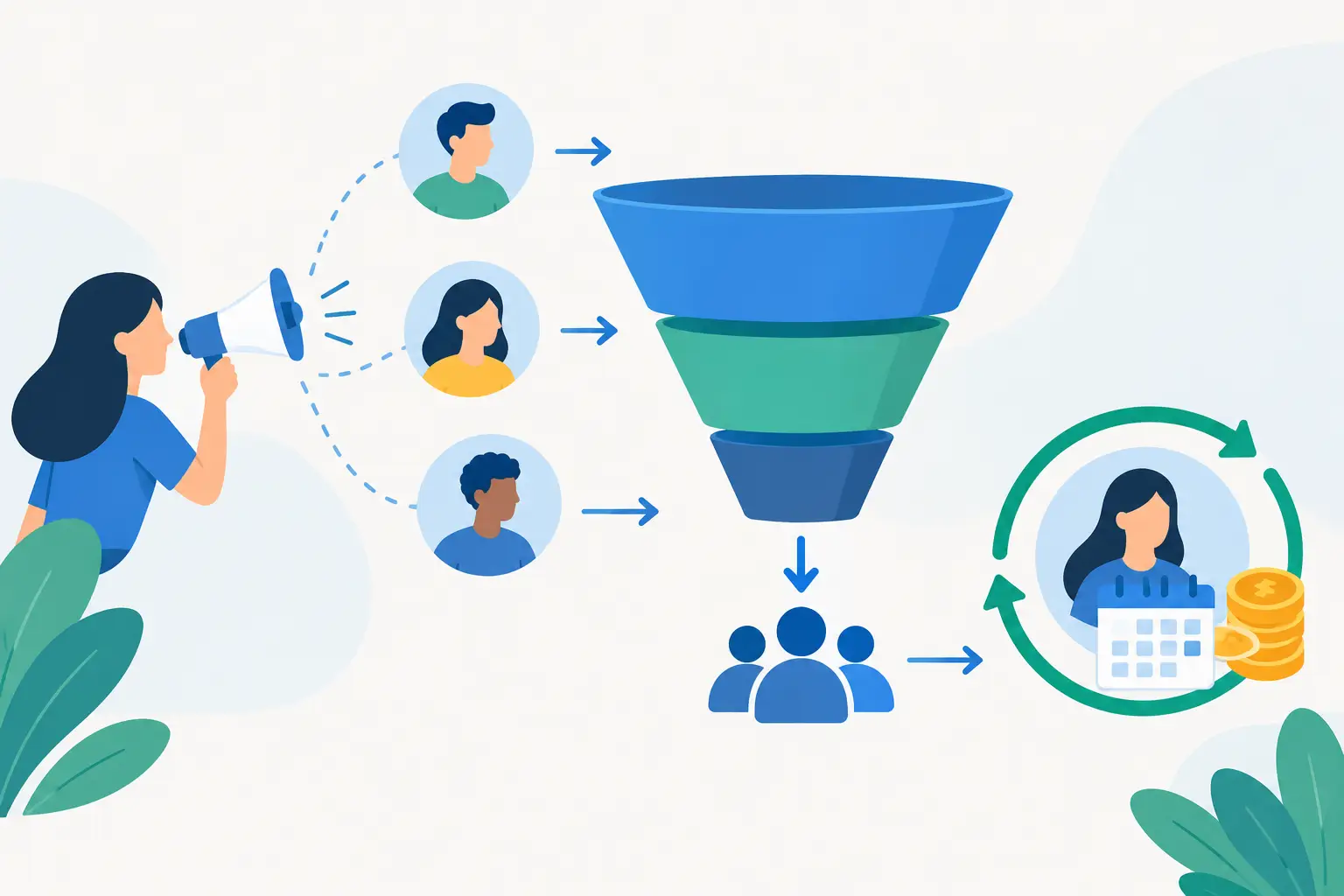
A referral link is not a business model by itself. It becomes one when the person who clicks has a clear reason to join, a simple first action to take, and enough value to stay active. This referral funnel example shows how to turn a casual recommendation into a repeatable path toward active referrals, recurring commissions, and stronger promotion results.
For online earners and small business promoters, the goal is not to chase random signups. The goal is to attract people who want what the platform helps them do: earn from simple activities, promote offers, and build more than one income path from a single account.
What a Referral Funnel Actually Does
A referral funnel is the journey between someone seeing your recommendation and becoming an active, retained member. The link is only one part of that journey. Your message, the landing experience, the first task, and the follow-up all influence whether a referral becomes valuable.
Think of it as a sequence of small yeses. First, a prospect says yes to learning more. Then they say yes to joining. Next, they complete an action that proves the platform is useful. Finally, they keep using it, and potentially upgrade when the added earning and promotion benefits make sense for their goals.
That last stage matters most for recurring commission opportunities. A large referral count can look impressive, but inactive free accounts may not create meaningful long-term results. A smaller group of engaged members can be far more valuable.
Referral Funnel Example: From Click to Active Member
Here is a practical funnel built for someone promoting an earning and advertising platform to beginners, side hustlers, and online business owners.
Stage 1: Lead with one clear outcome
Start with a message tied to the problem your audience already feels. Do not lead with a long list of features. A beginner who wants extra cash may respond to paid surveys, app testing, and daily earning opportunities. A marketer with an offer to promote may care more about traffic rotation, banner exposure, and reaching an active internal audience.
For example, your social post, email, video caption, or community message could say: “Want one place to earn from simple online activities and promote your own links without a big ad budget?” That is specific enough to create interest without promising guaranteed income.
The trade-off is focus. If you try to sell every feature in the first sentence, prospects may not understand what they should care about. Match one benefit to one audience segment, then let them discover the broader platform after they join.
Stage 2: Make free signup feel like a low-risk win
Once someone clicks, the next job is to reduce hesitation. Free entry is powerful because it lets people test the experience before deciding whether an upgrade is right for them. Your referral messaging should make that clear: start free, look around, complete a simple activity, and decide what fits your goals.
Avoid pressure-heavy language that suggests every person needs to upgrade immediately. Some users will be happy earning through basic activities. Others will see more value in added promotion tools, higher exposure, bonus payouts, or commission potential. A funnel works better when it gives people room to find their own reason to continue.
At this point, the prospect should understand three things: what they can do after joining, how quickly they can get started, and why the platform is different from using separate earning sites and advertising tools.
Stage 3: Drive the first useful action
A new signup is still fragile. If they create an account and leave, they may forget why they joined. Your highest-value follow-up is not “share your link now.” It is helping them get a quick first result.
Encourage them to choose one action based on their goal. An earner can complete a survey, explore app testing, or check daily prize opportunities. A promoter can add a website or offer, set up a traffic rotation, or review advertising options. The right action is the one that creates momentum in the first session.
A simple welcome message can do the work: “Your best first step depends on your goal. Want to earn? Start with available tasks. Want exposure? Add the link you want people to see.” This keeps the experience direct and makes the platform feel useful immediately.
Stage 4: Show the bigger earning path
After a referral has completed an initial activity, they are ready to see the full opportunity. This is where you explain that the platform can support several goals at once: direct earning activities, affordable traffic for personal offers, and referral-based recurring commissions where available.
Do not frame this as a shortcut. It is a system that rewards consistent activity and smart promotion. Someone who only logs in once will have a different outcome from someone who regularly completes activities, tests promotional tools, and shares a targeted recommendation with people who can benefit.
Sumrria fits naturally into this kind of funnel because members can earn and promote within the same environment. That combination gives referrals a practical reason to remain active: they are not joining only to chase commissions. They can use the platform for their own earning and visibility goals, too.
Stage 5: Follow up before interest disappears
Most people need more than one touchpoint before they become active. A short follow-up sequence helps, especially when it is useful rather than repetitive. Send a first message after signup that points to the easiest action. A second message can address a common question, such as whether the platform is better for earning, promotion, or both. A third can explain the benefits of staying active and reviewing membership options when they are ready.
Keep follow-up honest. Earnings, traffic, and commissions depend on participation, offer quality, audience fit, and the specific features a member uses. Clear expectations build better referrals than inflated claims ever will.
Why This Funnel Converts Better Than a Bare Referral Link
A bare link asks people to make a decision with no context. A referral funnel gives them a reason, a direction, and a next step. That difference can improve the quality of your referrals even if it reduces the number of random clicks.
It also helps you identify what is not working. If people see your message but do not click, your promise may be too vague or aimed at the wrong audience. If they click but do not join, the message and signup value may not match. If they join but never take action, your onboarding or follow-up needs to be simpler.
This is why tracking matters. You do not need advanced software to begin. Keep a basic record of which message you used, where you shared it, how many people clicked, and how many became active. Over time, patterns become obvious.
Build Different Messages for Different Referral Types
One funnel does not need one message. The structure can stay the same while the hook changes for the audience.
For side hustlers, focus on accessible earning options and the ability to start free. For beginner affiliate marketers, highlight recurring referral potential along with practical ways to promote offers. For small business owners, lead with traffic tools, audience exposure, and the convenience of advertising inside an active membership community.
The mistake is assuming every prospect wants passive income first. Some want extra cash from tasks. Some want visitors for a landing page. Some want a referral program they can build over time. The more closely your first message matches their immediate goal, the more likely they are to take the next step.
Common Referral Funnel Mistakes to Avoid
The first mistake is promoting income claims without explaining the work behind them. This attracts people looking for magic, then loses them when they realize participation matters.
The second is sending every prospect to the same generic message. A person looking for website traffic should not receive the exact same pitch as someone looking for surveys or app-testing opportunities.
The third is treating signup as the finish line. The real value comes from activation and retention. Help people use what they joined for, and your referrals have a better chance of becoming loyal members rather than forgotten accounts.
Finally, do not overcomplicate the funnel. You need a strong hook, a free entry point, a first action, and a helpful follow-up. Add more steps only when they solve a real drop-off problem.
Start with one audience, one clear benefit, and one action you want new referrals to complete in their first session. When that path feels easy to follow, you have a foundation that can grow with every targeted share.