
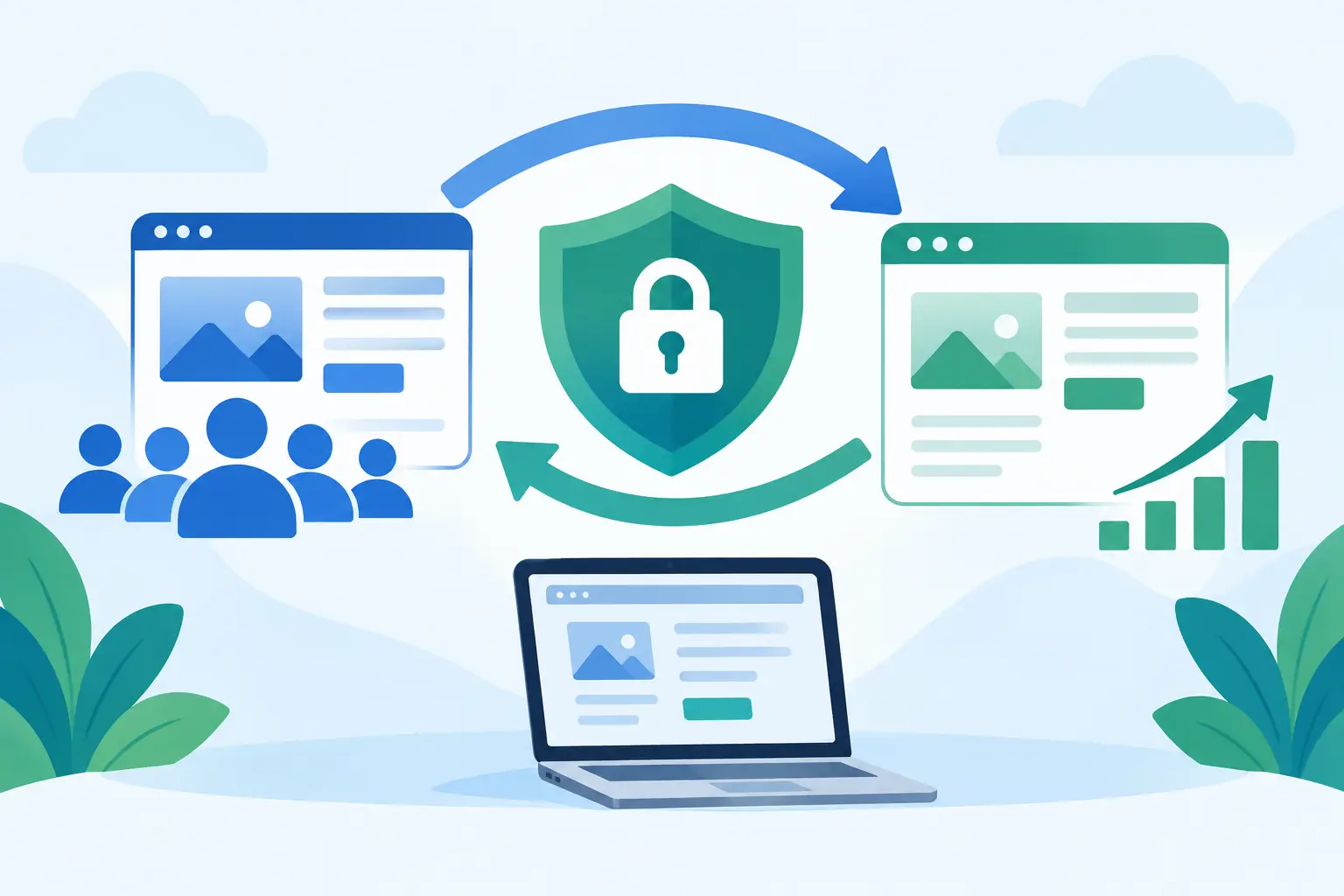
A traffic exchange can put your offer in front of active users without forcing you into a large ad budget. But traffic exchange safety decides whether that exposure becomes a useful part of your growth plan or a source of wasted credits, risky clicks, and account headaches. The goal is not simply to get more visits. It is to get legitimate visibility while protecting your website, your data, and the reputation you are building.
For online earners, affiliate marketers, and small business owners, that means treating traffic as a tool, not a shortcut. A smart campaign starts with a trustworthy platform, a clean destination page, and realistic expectations about what exchange traffic can do.
What Traffic Exchanges Do Well
Traffic exchanges are built around participation. Members view pages, ads, or offers, then earn credits or activity rewards that can be used to promote their own pages. This model can create fast exposure for a website, landing page, product listing, or lead-generation offer.
That can be valuable when your immediate goal is visibility, testing, or building early awareness. You may use exchange traffic to see whether a headline gets attention, whether a page loads properly on different devices, or whether visitors understand your offer quickly. It can also help new promoters get eyes on a page before they are ready to spend heavily on paid advertising.
The trade-off is intent. Someone viewing an exchange page may be earning credits, not actively searching for your product. That does not make the visit worthless, but it changes how you should measure results. Expecting every visit to become a sale is a fast path to disappointment. Focus first on impressions, page engagement, list growth where appropriate, and what you learn from the campaign.
The Real Risks Behind Low-Cost Traffic
Low-cost promotion attracts people for a reason. It makes exposure accessible. Still, the lowest price should never be the only factor behind your decision.
The biggest risk is low-quality or artificial traffic. Bots, repeated automated visits, forced redirects, and misleading click tactics can inflate numbers without creating real opportunity. These visits can distort analytics, consume your hosting resources, and make it difficult to tell whether your page is actually working.
There is also a reputation risk. If a platform allows deceptive ads, unsafe downloads, exaggerated income claims, or spam-heavy pages, users may associate your brand with that environment. Your promotion should feel like an invitation, not a trap. A clear page with an honest offer will always serve you better than a flashy promise that creates distrust.
Account security matters too. Any platform that requires a login, payment method, or promotional destination should protect member access. Weak passwords, reused credentials, suspicious browser extensions, and fake support messages can turn a simple traffic campaign into an avoidable security problem.
Traffic Exchange Safety Starts Before You Join
Do not judge a platform by its homepage alone. Look at how it operates when members are earning, viewing, promoting, and requesting support. A safer environment makes its rules understandable and gives you control over your account and campaigns.
Before committing money, time, or your best offer, check for four practical signals:
- Clear terms that explain credits, upgrades, advertising rules, and prohibited content.
- Real account protections, including secure login practices and a visible privacy policy.
- Ad controls that let you pause, edit, or remove a campaign without confusion.
- Support channels and community standards that show how abuse, spam, or fraudulent activity is handled.
You do not need a complicated compliance checklist to make a good decision. Ask a simple question: would you feel comfortable sending a customer, referral, or business partner into this environment? If the answer is no, do not attach your brand to it just because the traffic is cheap.
Start free or at the lowest practical level whenever possible. Use that period to understand how credits are earned, how quickly ads rotate, what kinds of pages other members promote, and whether the reporting makes sense. Upgrade when the added exposure, targeting, or rotation capacity supports a goal you can measure.
Protect Your Account and Your Information
Your account is part of your online business. Treat it that way from day one. Create a unique password for every earning and advertising platform you use. If two-factor authentication is available, turn it on. Never share your login details with a person claiming they can “boost” your results, manage your credits, or unlock a special promotion.
Be selective about the information you provide. A traffic exchange may need an email address, payment details for an upgrade, and a destination URL for your campaign. It should not need your banking password, social media login, or unnecessary personal documents to let you browse ads or promote a page.
Watch for phishing attempts outside the platform as well. Fake messages often create urgency: your account will be closed, your credits will expire, or you must confirm your password immediately. Instead of clicking the message, log in through the platform directly and check your account notices there.
If you are promoting affiliate offers, protect those links too. Use the approved destination and make sure your tracking setup follows the offer provider’s rules. Some networks prohibit incentivized clicks, certain traffic sources, or misleading pre-landing pages. A campaign can look successful on the surface while quietly putting your affiliate account at risk.
Build Campaigns That Deserve the Click
Safety is not only about avoiding scams. It is also about promoting responsibly. The strongest exchange campaigns respect the viewer’s time and make the next step obvious.
Send visitors to a page that matches the ad they clicked. If your banner says “Earn from paid surveys,” the landing page should clearly explain the survey opportunity, qualification process, and any limits. Do not send people through unrelated redirects, hide important conditions, or use a headline that promises more than the page can deliver.
Keep your landing page clean and functional. It should load quickly, work on mobile, and show who is behind the offer. Avoid pop-up chains, auto-downloads, alarming warnings, and forms that request sensitive details before the visitor understands what they are signing up for. These tactics may create a short-term spike in clicks, but they rarely create trust or lasting conversions.
Use a single clear action. For a new offer, that might be joining a free account, entering an email for a guide, viewing a product, or learning about a membership. When every button leads somewhere different, visitors are more likely to leave than engage.
Measure Quality, Not Just Visitor Counts
A dashboard full of traffic can feel exciting. But raw visits are only one number. The better question is whether visitors take a meaningful next step.
Track how long people stay, whether they reach key sections of the page, whether they subscribe or register, and whether they return later. If your exchange traffic produces views but no engagement, test the message before assuming the platform is the problem. A weak headline, slow page, unclear benefit, or mismatched audience can stop a campaign before it has a fair chance.
Separate exchange traffic in your analytics if you can. This keeps it from blending with visitors from social media, search, email, or referrals. Clear reporting helps you understand what each channel contributes and prevents you from making decisions based on inflated totals.
Set a small test budget in credits or advertising spend, then compare variations. Try a different headline, a more specific benefit, or a landing page with fewer distractions. Change one major element at a time. That gives you a real lesson from the data instead of a pile of guesses.
When Traffic Exchange Safety Requires You to Pause
Stop a campaign if you notice unexplained redirects, a sudden surge of suspicious visits, browser warnings, repeated complaints, or activity that does not match the platform’s stated process. Pause first, investigate second. There is no prize for keeping a campaign running while something feels wrong.
The same applies to offers that sound too good to be true. Avoid promoting pages that guarantee income, demand upfront payment without clear value, or pressure visitors to act before they can read the details. Your reputation is an asset. Protecting it matters more than squeezing a few extra clicks from a questionable campaign.
Platforms that combine earning activities with promotion can make it easier to keep your efforts organized. On Sumrria, members can explore earning options while using promotional tools within the same membership environment. Even then, the best results come from smart setup: secure your account, use an honest destination page, and track what your campaign is actually doing.
Promote With Confidence, Not Blind Optimism
Traffic exchanges can be a practical starting point for exposure, especially when you are building on a budget and want to test an offer in front of an active online audience. They are not a replacement for product-market fit, clear messaging, or trust. They work best as one part of a bigger earning and promotion plan.
Choose platforms carefully, protect your access, and make every click land on something useful. When you approach promotion with that level of care, each campaign becomes more than traffic – it becomes a chance to learn, improve, and grow with confidence.